Begin with observation
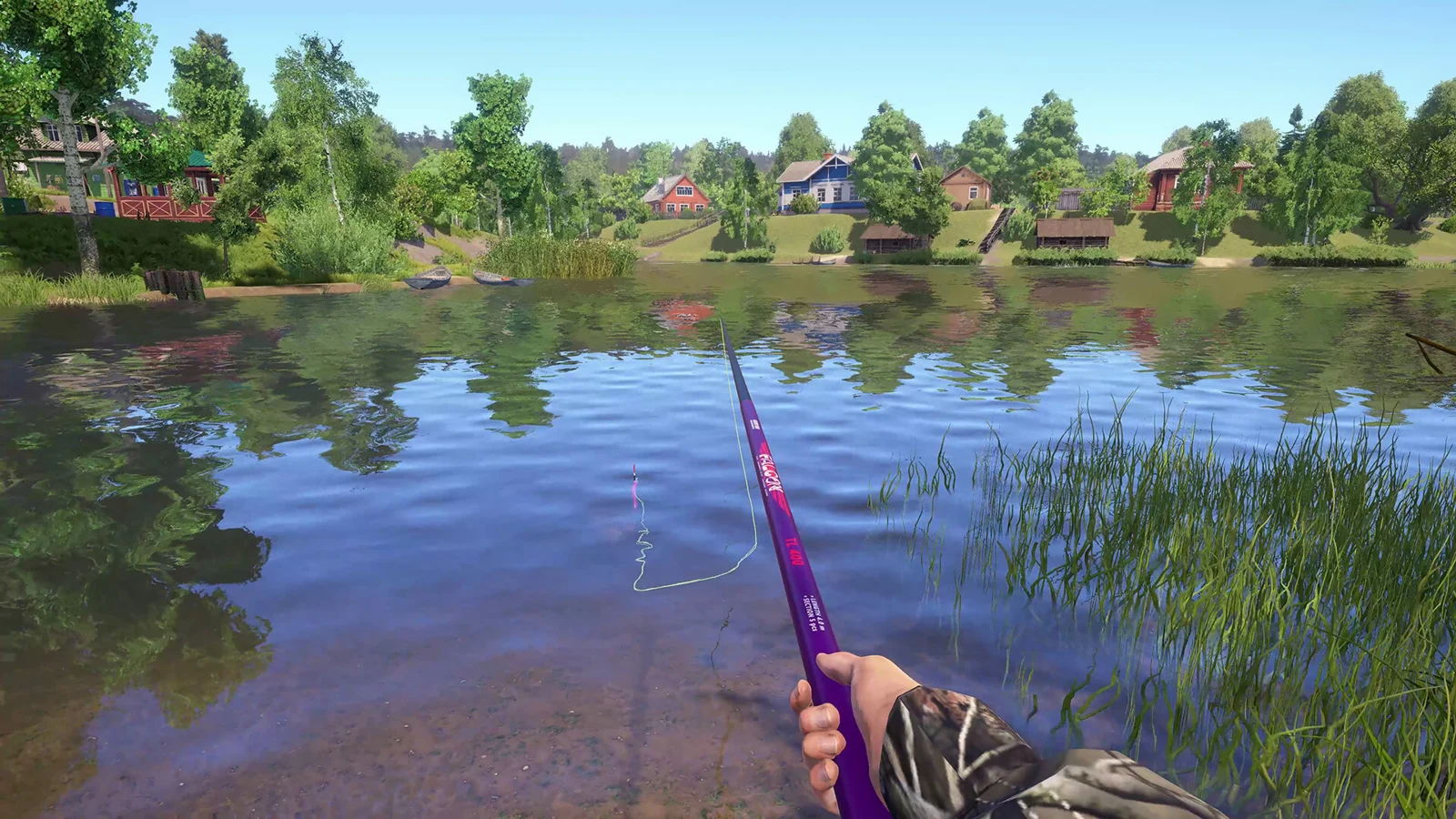
Set yourself the task of watching, not immediately interpreting everything. Notice the float's visible position and how the game communicates interaction. Different circumstances may produce different signals. Follow the current tutorial rather than assuming every movement deserves the same response.
Describe the sequence
After an interesting moment, recall what appeared first and what you did next. Plain language is enough. 'I noticed a change, hesitated, then acted' is a useful start. It separates the visual cue from your reaction, allowing the next attempt to focus on the part you found unclear.
Keep the pace gentle
You do not have to understand every signal in one evening. Return to a familiar situation and pay attention to one detail at a time. The point is to build recognition, not demand a catch to validate the exercise. A quiet session can still leave you more comfortable with the interface.
A practical exercise
Watch one complete attempt and describe the visible sequence before describing your reaction. Keep the note free of claims about what the fish must have been doing. This makes it easier to identify whether the uncertainty was in noticing the signal or deciding what action followed it.